Participants in tourism dialogue emphasize common heritage and future, as Libya emerges as key source market with over 2.3 million visitors in 2025
Industry professionals from Tunisia, Libya, and Algeria have underscored the need for joint investment, coordinated training programs, and shared destination marketing, citing the deep-rooted common heritage and shared future that bind the three neighboring countries.
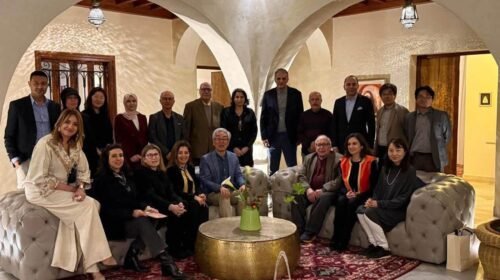
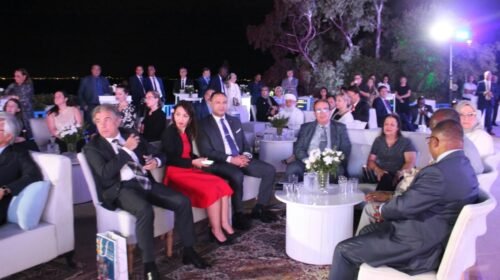
The calls came during a professional dialogue hosted at the City of Culture on the sidelines of the first edition of the Tunisian Travel Mart, organized by the Tunisian Federation of Travel and Tourism Agencies under the supervision of the Ministry of Tourism. The event, running from May 7 to 9, has drawn at least 1,000 industry professionals, alongside over 150 visitors from Libya and Algeria, including tourism bodies, travel agencies, journalists, influencers, and content creators.
Agreement on Tripartite Cooperation Nears Signing
Speaking at the dialogue under the theme “Domestic and Neighborhood Tourism: Cooperation, Partnership, Investment,” Dorra Ben Miled, president of the Tunisian Hotel Federation, highlighted the volatility of the global landscape.
“The current global uncertainties demand that professionals in Tunisia, Algeria, and Libya build a shared tourism model capable of ensuring the sustainability of our institutions and economies amid turbulence,” Ben Miled said.
She stressed that hotel establishments must prioritize domestic and neighborhood tourism as a strategic choice and a driving force for the sector, while adapting services to meet the expectations of neighboring tourists and the principles of authentic family tourism using modern standards.
Ben Miled also announced that an agreement to strengthen partnership and coordination among professionals from the three countries will be signed shortly.
Libyan Market Booms: 2.3 Million Visitors to Tunisia in 2025
Mustafa Shermit, chairman of the board of the Chamber of Tourism for Libya’s Western Region, revealed that more than one million Tunisian tourists visited Libya in 2025, while 2.3 million Libyan tourists traveled to Tunisia — an 11 percent increase compared to 2024 — with 300,000 of them staying in hotels.
Libyan tourists rank second in terms of spending volume, injecting over one billion Tunisian dinars annually into the Tunisian economy, Shermit said. He added that Libya’s six airlines operating on Tunisian routes are seeking to expand their activities by offering integrated travel packages in coordination with Tunisian travel agencies.
Shermit called for greater attention to border crossing procedures for tourist groups and families, particularly at non-road crossing points, and urged consideration of airport fee exemptions and resolution of foreign currency transfer issues between Tunisia and Libya. He also emphasized the importance of developing joint tourism programs aligned with the Arab Tourism Organization’s vision.
Khaled Al-Ghubar, chairman of the board of the Chamber of Tourism for Libya’s Eastern Region, stressed the Libyan tourism sector’s urgent need for improved workforce skills, particularly in hotel management and tourism services, acknowledging that Libya requires Tunisian expertise in this field.
Tunisia as a Benchmark for Tourism Training
Ahmed Al-Jammel, director general of the Tourism Professions Training Agency, noted that tourism, as a holistic human experience, remains fundamentally tied to the quality and qualifications of human resources.
As part of the agency’s international outreach, Al-Jammel said efforts are underway to strengthen expertise exchange, facilitate the mobility of skilled professionals, establish a mutual recognition system for diplomas, and enhance Tunisia’s tourism expertise.
“The agency aims for Tunisia to become a benchmark destination for tourism training and expertise,” Al-Jammel said, adding that Tunisia is fully prepared to cooperate with and offer its expertise to professionals in both Libya and Algeria.
Lotfi Brahemi, head of the Tunisian Travel Mart organizing committee, highlighted the exceptional turnout of professionals at this first edition, confirming that domestic and neighborhood tourism remain the cornerstone of Tunisian tourism.
“The fair is an opportunity for tourism professionals from Tunisia, Algeria, and Libya to meet, exchange views, and forge partnerships aimed at developing sustainable tourism capable of competing with other destinations,” Brahemi said.
Early Booking Culture Takes Center Stage
At the fair’s opening, Tourism Minister Sofiane Tekaya stated that the primary goal of this major tourism event is to establish a culture of early booking, given the significant advantages and discounts it offers to Tunisian tourists as well as visitors from neighboring countries, who account for more than 50 percent of arrivals.
Tekaya described the fair as a pilot initiative that will be expanded nationwide and extended to other regions. He added that next year, as part of Tunisia’s selection as the Arab Tourism Capital, the fair will be broadened to welcome professionals from across the Arab world.
The minister said the coming period will feature special incentives for young investors in alternative tourism and regional development. He projected that Tunisia will welcome more than 12 million tourists in 2026 — up from over 12 million in 2025.
TunisianMonitorNews (Tlig Dhouha)