On April 14, 2026, Italy and Tunisia signed a five‑year “bilateral framework agreement on employment and training” in Tunis, aimed at filling labor shortages in Italian companies with Tunisian youth.
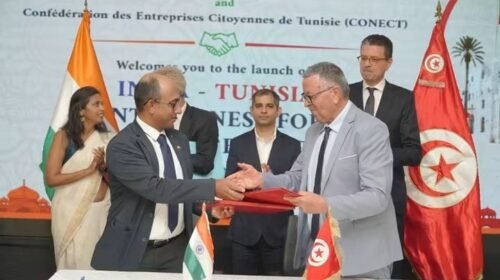
The accord was initialed by the Italian recruitment firm Umana, Tunisia’s National Employment Agency (ANETI) and the Tunisian Agency for Vocational Training (ATFP). The ceremony was attended by Tunisian Minister of Labour Riadh Chaoued and Italian Ambassador Alessandro Prunas.
Unlike traditional quota‑based systems, the pact does not impose rigid ceilings. Italian employers will submit staffing requests through Umana; ANETI will publish job offers, organize interviews and fast‑track visa procedures once candidates are selected. Successful applicants will receive targeted Italian language training, technical upskilling and mandatory health‑and‑safety certification delivered by ATFP before departure.
Rome is struggling to fill positions in agriculture, agribusiness and hospitality – sectors where the vacancy rate exceeds 12 percent. By outsourcing part of the recruitment process and standardizing pre‑departure training, the agreement is expected to cut hiring lead times from six months to just eight weeks, helping manage seasonal peaks ahead of the summer harvest.
Online platform streamlines visa process
Companies and workers wishing to use the new recruitment corridor can simplify procedures through the online platform VisaHQ (https://www.visahq.com/italy/), which centralizes Italian work visa applications, appointment scheduling and document verification. By consolidating processing times and mail‑in options, VisaHQ helps avoid last‑minute consular delays and meet recruitment deadlines.
Decreto Flussi framework and employer guidance
Italian authorities stress that the model falls within the quota framework of the Decreto Flussi for partner migration countries and anticipate several thousand hires per year if demand materializes. For multinationals based in Italy, the accord offers a new compliant channel to recruit French‑ and Arabic‑speaking talent without resorting to subcontracting.
TunisianMonitorNews