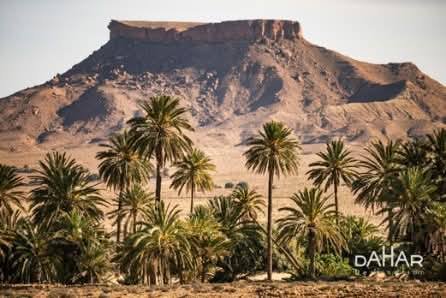
Tunisia has secured its first-ever UNESCO Global Geopark designation, with member states unanimously approving the inscription of “Dhaher Geopark” on the prestigious list during the 224th session of UNESCO’s Executive Council, held on April 15, 2026.
The decision marks a historic milestone for the North African nation and represents only the third such recognition on the African continent.
Spanning 6,000 square kilometers across the governorates of Tataouine, Medenine, and Gabès, the Dhaher Geopark is distinguished by its exceptional diversity of natural landscapes, geological resources, and local socio-economic and cultural activities.
The inscription follows sustained coordination among Tunisia’s ministries, public institutions, local authorities, the private sector, and civil society.
Strategic and Regional Impact
Speaking before the Executive Council, Tunisia’s Permanent Delegate to UNESCO, Ambassador Dhia Khaled, underscored the strategic importance of the listing. He said the recognition reflects his country’s firm commitment to preserving and enhancing its geo-cultural heritage at both the national and regional levels.
Ambassador Khaled added that the UNESCO designation is expected to generate fresh momentum for regional and local development, while strengthening Tunisia’s position among top destinations for cultural, alternative, and environmentally responsible tourism.
A Growing Global Network
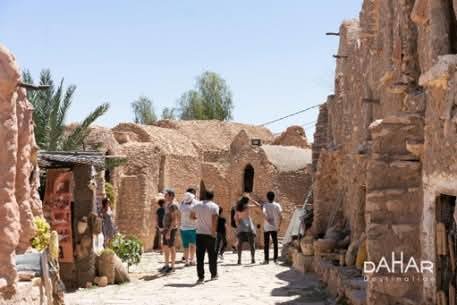
UNESCO Global Geoparks are unique, integrated geographical areas where sites of international geological significance are managed through a holistic concept of protection, education, and sustainable development, with active involvement of local communities.
As of 2025, the UNESCO Global Geoparks network comprised 229 sites across 50 countries, covering a total area of 816,629 square kilometers. The current executive council session approved the addition of 12 new geoparks, including Tunisia’s Dhaher.
TunisianMonitorNews