The ClimaT project targets water governance and natural resource management across key governorates.
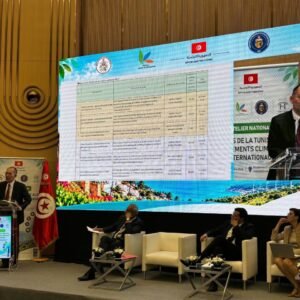
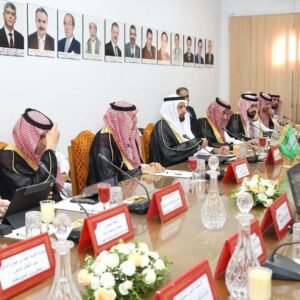
Tunisia and South Korea have formalized a landmark cooperation agreement aimed at revolutionizing the North African nation’s agricultural sector, with a sharp focus on climate adaptation and sustainable water usage. The accord was finalized during the “Record of Discussions” ceremony for the “Climate-Smart Agriculture for Enhancing Productivity in Tunisia” (ClimAT) project, signed between the Tunisian Ministry of Agriculture, Water Resources and Fisheries and the Tunisian office of the Korea International Cooperation Agency (KOICA).
Strategic Objectives
The initiative seeks to modernize Tunisia’s stewardship of its natural resources while reinforcing the governance of its water supplies—two critical challenges deemed essential for the long-term resilience and viability of the country’s farming industry. As Tunisia grapples with recurrent droughts, the partnership underscores a strategic pivot toward tech-driven solutions.
Pilot Farms and Regional Rollout
Under the ClimaT framework, authorities will deploy state-of-the-art smart irrigation systems alongside comprehensive upgrades to agricultural holdings. These transformations will be concentrated in the governorates of Kairouan, Bizerte, and Nabeul, where selected sites will be converted into pilot farms. These experimental hubs are designed to serve as real-world laboratories for testing and disseminating innovative agricultural practices across the nation.
The Three Pillars of the ClimaT Initiative
The comprehensive program is structured around three core components, each targeting a vital segment of the agricultural value chain:
- Research & Development (R&D): The first phase focuses on bolstering national research and development capacities specifically tailored to climate-smart agriculture, ensuring that local scientists and institutions can drive homegrown innovation.
- Infrastructure and Technology Integration: The second component prioritizes the modernization of agricultural infrastructure through the introduction of cutting-edge technologies. Special emphasis is placed on boosting the sustainable production of two staple crops: wheat and olives.
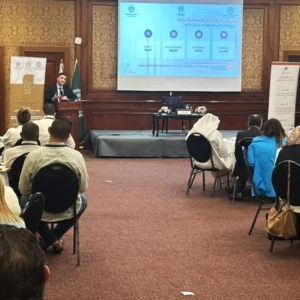
- Capacity Building and Training: The final pillar involves the rollout of extensive training programs designed to upskill representatives from the relevant agricultural structures and stakeholders, ensuring the long-term sustainability and know-how transfer of the project’s outcomes.
TunisianMonitorNews