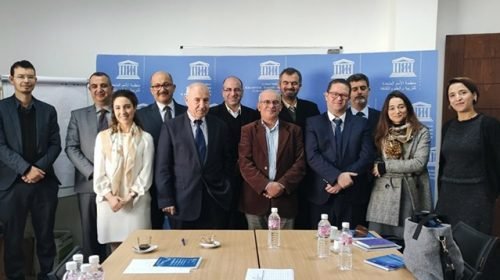
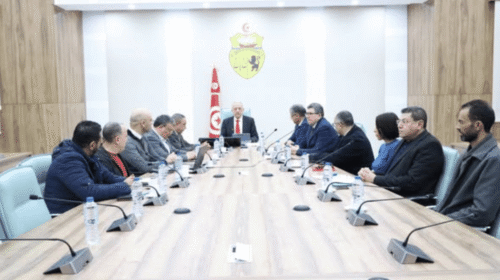
Friedrich Naumann Foundation for Freedom in Tunisia (FNF Tunisia) has taken part in a specialized training workshop focused on the Blue Economy. as part of its ongoing efforts to foster sustainable development and informed public discourse.The session was organized by the African Center for the Advancement of Journalists and Communicators, a strategic partner of the foundation.
The workshop offered participants a comprehensive look into the core sectors driving the Blue Economy—including fisheries and aquaculture, port and maritime transport, coastal tourism, and marine renewable energy. Discussions underscored the economic potential of these industries while stressing the need for sustainable practices to ensure long-term environmental and economic resilience.
A key theme of the training was the intersection of marine ecosystems and climate change. Experts and participants examined pressing threats such as rising sea levels, coastal erosion, and loss of biodiversity, with a specific focus on the vulnerabilities facing Tunisia’s coastline. The sessions highlighted the urgency of adopting adaptive and preventative strategies to mitigate these environmental pressures.
Governance and policy also took center stage. Attendees explored the legal frameworks governing coastal and marine resources, the roles of public institutions and municipalities, and the critical importance of civil society engagement in coordinated coastal management.
On the media front, the training emphasized the role of journalism in shaping public understanding of the Blue Economy. Reporters were guided on how to break down complex topics for broader audiences, interpret data accurately, and avoid common pitfalls in environmental reporting. Investigative techniques were also sharpened, with a focus on issues like overfishing, pollution, conflicts of interest, and accountability in resource management.
Participants were introduced to a range of reliable information sources—from official statistics and academic studies to open data platforms and satellite imagery—as tools for monitoring environmental change and strengthening evidence-based reporting.
The program also featured a hands-on field visit to the coast of Bizerte and its fragile dune systems, organized in collaboration with the Higher Institute of Marine Sciences of Bizerte (ISSMB) and the local NGO TunSea. The excursion offered participants a grounded understanding of coastal realities and reinforced the value of bridging theoretical knowledge with on-the-ground observation.
By joining efforts with like-minded partners, FNF Tunisia continues to support initiatives that promote responsible marine governance and a sustainable, resilient Blue Economy.
TunisianMonitorOnline (NejiMed)