Photo credit: SNJT
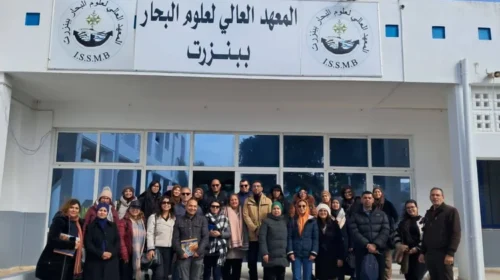
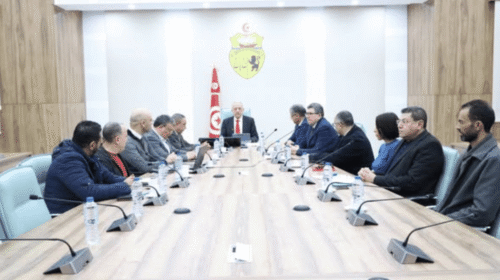
The Federation of African Journalists (FAJ) and its global parent body, the International Federation of Journalists (IFJ), have concluded a specialized training initiative in Tunisia. The two-day capacity-building workshop, held on December 27-28, was implemented through their local affiliate, the Tunisian Journalists Union (SNJT), equipping journalists with skills to report on the climate crisis and the complex journey toward a “just transition.”
Funded by Mondiaal FNV, the activity brought together working journalists from various media houses to move beyond superficial disaster coverage and deepen reporting on climate justice, policy choices, and the socio-economic transformations required for a fair shift to a green economy.
“Climate change is already reshaping daily life and work in Tunisia. Journalists must be equipped to report these realities with clarity, responsibility and independence,” said Zied Dabbar, President of the SNJT. He emphasized that the training strengthened national capacity to serve the public interest with accurate information on climate-driven changes.
The workshop addressed a critical gap, focusing on how climate impacts intersect with employment, food security, migration, and inequality. Through practical sessions, participants worked on interpreting climate data and policies, translating technical frameworks into public-interest journalism, and countering prevalent disinformation. A strong emphasis was placed on ethical, gender-responsive reporting that amplifies the voices of workers, women, and communities most vulnerable to climate risks.
Omar Faruk Osman, President of the FAJ, framed the event as part of a wider continental strategy. “We are advancing a continental effort to promote just transition as a fair response to the climate crisis, and journalists are at the forefront,” he stated, linking the training directly to the implementation of the FAJ’s Abidjan Declaration and Action Plan.
Echoing the sentiment of global solidarity, IFJ General Secretary Anthony Bellanger noted, “Supporting journalists through their unions is essential to ensuring accurate reporting, accountability, and public trust.” He highlighted the initiative as a model of national, continental, and international cooperation in action.
The activity underscores a growing recognition of journalism’s vital role in preserving information integrity and fostering informed public debate around climate policies that reshape economies and livelihoods. The organizing federations reaffirmed their commitment to continued action, citing the Tunis workshop as a foundational step in strengthening climate justice advocacy across Africa.
TunisianMonitorOnline (Editorial Staff)