Minister of Religious Affairs Commends Saudi Arabia’s Efforts to Serve Pilgrims, as Al-Rabiah Praises Tunisia’s Hajj Organization and Awareness Programs
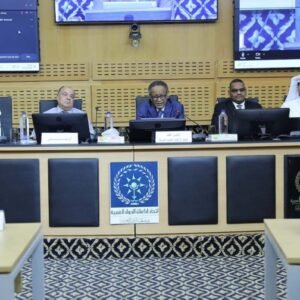
Minister of Religious Affairs Ahmed Bouhali received Wednesday in Tunis, Saudi Minister of Hajj and Umrah Dr. Tawfiq bin Fawzan Al-Rabiah as part of an official working visit aimed at strengthening cooperation between the two countries in organizing the Hajj pilgrimage and improving services for Tunisian pilgrims.
The meeting focused on ways to enhance coordination between the relevant authorities, streamline procedures, and further improve the quality of services provided to pilgrims, reflecting the shared commitment of Tunisia and Saudi Arabia to facilitating the spiritual journey of Muslims and ensuring the best possible conditions for performing the Hajj rituals.
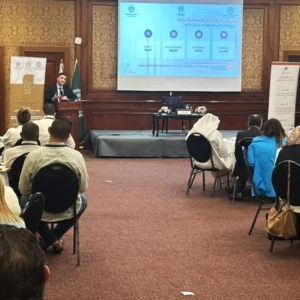
The working session was chaired by Bouhali on the Tunisian side and attended by Chief of Staff Ghofrane Sahli; Issam Hammemi, Chairman and CEO of the National Services and Residences Company; Dr. Mohamed Soussi, the official responsible for the Hajj file at the Ministry of Health; and representatives of the ministries of Foreign Affairs, Migration and Tunisians Abroad, and Religious Affairs, as well as the National Services and Residences Company and Tunisair.
The Saudi delegation was headed by Al-Rabiah and included Assistant Minister of Hajj and Umrah Dr. Al-Hassan Al-Manakhrah, Saudi Ambassador to Tunisia Mohammed bin Abdullah Al-Buraithen, and a number of senior officials from the Saudi Ministry of Hajj and Umrah.
Welcoming the Saudi minister and his accompanying delegation, Bouhali emphasized the deep-rooted historical, religious, and cultural ties between Tunisia and Saudi Arabia. He noted that these longstanding bonds have been further strengthened by the spirit of brotherhood, mutual respect, and understanding between the leaderships of the two countries, represented by Tunisian President Kais Saied, the Custodian of the Two Holy Mosques King Salman bin Abdulaziz Al Saud, and Saudi Crown Prince and Prime Minister Mohammed bin Salman bin Abdulaziz Al Saud.
Bouhali praised the high standard of services provided to pilgrims and the continuous development of Saudi Arabia’s Hajj and Umrah system. He commended the Saudi Ministry of Hajj and Umrah for its sustained efforts to care for the Guests of Allah, stressing that serving pilgrims is not merely an administrative responsibility but a profound religious trust, a historic duty, and a great honor.
The Tunisian minister presented an overview of the preparations undertaken for the current Hajj season, highlighting the various organizational, educational, health, and logistical measures implemented in accordance with the requirements, regulations, and deadlines established by the Saudi authorities.
He also praised the cooperation among the different components of Tunisia’s Hajj mission and the national institutions involved in organizing the pilgrimage, emphasizing the country’s commitment to ensuring that all preparations are carried out efficiently and that pilgrims receive the necessary guidance and support throughout their journey.
For his part, Al-Rabiah expressed his pleasure at visiting Tunisia and his appreciation for the warm welcome extended to him and his delegation. He underscored the historic relationship between Saudi Arabia and Tunisia, describing it as a partnership founded on mutual respect, cooperation, and continuous consultation, reinforced by reciprocal visits and close coordination between the two countries’ leaderships.
The Saudi minister also highlighted the role of Saudi Vision 2030 in transforming and modernizing the Hajj and Umrah sector. The strategy seeks to enable increasing numbers of Muslims from around the world to perform their religious rituals with greater ease and comfort through infrastructure development, improved service quality, digital transformation, and the adoption of modern technologies.
Al-Rabiah commended Tunisia’s experience in organizing the Hajj pilgrimage, particularly its progress in religious guidance and awareness programs designed to prepare pilgrims for the rituals. He praised the use of practical and modern educational methods that simplify information and help pilgrims understand the requirements of Hajj before their departure.
He also highlighted the achievements of Tunisia’s Hajj mission in the Labaitum Awards, noting its continued presence among the leading performers for three consecutive years. These results, he said, reflect the sustained efforts invested in improving service quality, strengthening organizational efficiency, and enhancing the overall experience of Tunisian pilgrims.
During the discussions, the two sides examined practical proposals to further improve services, facilitate administrative procedures, and strengthen coordination between the relevant institutions in both countries.
The Tunisian delegation presented a number of requests, some of which received immediate responses from the Saudi side, while others were accepted for further examination. The discussions reflected a shared determination to address challenges, improve service delivery, and meet pilgrims’ expectations through closer institutional cooperation.
The meeting reaffirmed the commitment of Tunisia and Saudi Arabia to developing their partnership in Hajj affairs through early planning, the exchange of expertise, and the continuous improvement of organizational and logistical arrangements. Both sides emphasized the importance of ensuring that pilgrims can perform their rituals in a safe, comfortable, and spiritually fulfilling environment.
A Cultural Visit Highlighting Tunisia’s Religious and Historical Heritage
As part of the visit, Bouhali invited Al-Rabiah and his delegation to explore several of Tunisia’s prominent religious and cultural landmarks.
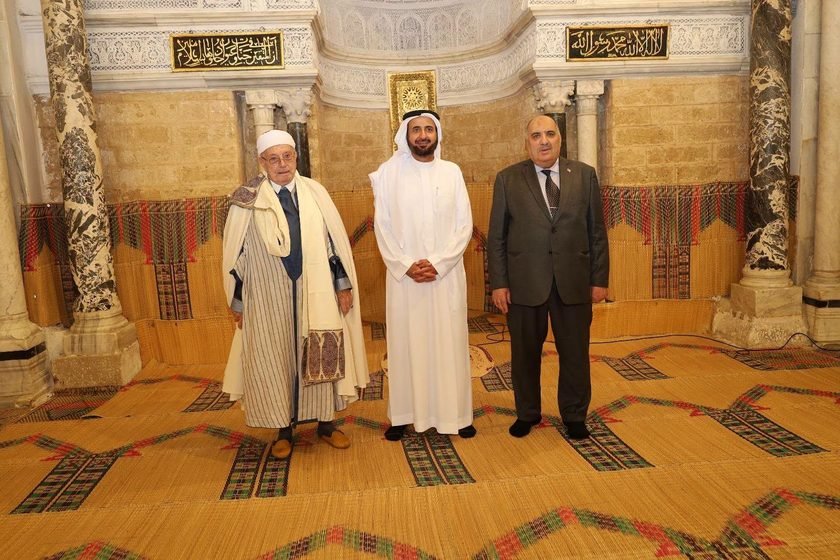
The program included a visit to the exhibition dedicated to traditional Quranic schools and the Holy Quran at the shrine of Imam Ali Ibn Ziyad, followed by a visit to the historic Great Mosque of Zitouna, one of Tunisia’s most significant Islamic landmarks.
At the Great Mosque, the Saudi minister met with Tunisia’s Grand Mufti and imam of the Great Mosque, Sheikh Hichem Ben Mahmoud.
The delegation also toured the historic Medina of Tunis, accompanied by specialists in history who provided explanations of its distinctive architectural features and historical significance, highlighting the successive civilizations and cultural influences that have shaped Tunisia’s identity.
The visit further included Dar Lasram’s Baron d’Erlanger Palace and the picturesque village of Sidi Bou Said, where Al-Rabiah expressed his admiration for Tunisia’s rich historical legacy, architectural beauty, and cultural diversity.
These visits provided an opportunity to highlight the cultural and human dimensions of Tunisian-Saudi relations, which extend beyond official cooperation to encompass shared religious values and a deep appreciation of the Arab and Islamic heritage.
Al-Rabiah departed Tunisia on Thursday, October 8, following a working visit that began on Tuesday, October 6, 2026.
The visit underscored the strength of Tunisian-Saudi relations and the determination of both countries to deepen cooperation in Hajj affairs, a matter of particular religious and national importance. It also highlighted their shared commitment to improving services for pilgrims and ensuring that the journey to the Holy Sites remains as accessible, well-organized, and spiritually meaningful as possible.
Background: Dr. Tawfiq bin Fawzan Al-Rabiah
Dr. Tawfiq bin Fawzan Al-Rabiah is Saudi Arabia’s Minister of Hajj and Umrah, responsible for overseeing the development of services provided to pilgrims and Umrah performers and supporting efforts to make their religious journeys more accessible, efficient, and comfortable.
His work is closely linked to the objectives of Saudi Vision 2030, particularly its focus on improving the experience of the Guests of Allah, expanding access to Hajj and Umrah, modernizing infrastructure, and harnessing digital technologies to enhance the quality of services.
Key priorities associated with his portfolio include improving the overall pilgrim experience, streamlining procedures, advancing digital services, strengthening coordination among government entities and service providers, and expanding cooperation with Hajj missions from Muslim countries.
Through engagement with international delegations and Hajj affairs officials, the Saudi Ministry of Hajj and Umrah works to exchange expertise, address operational challenges, and continuously improve the arrangements that enable Muslims from around the world to perform their rituals.
Saudi Arabia’s efforts in this field reflect the religious significance of serving the Guests of Allah and the Kingdom’s commitment to developing an increasingly integrated and high-quality Hajj and Umrah ecosystem.
TunisianMonitorNews (Douha Essaafi)