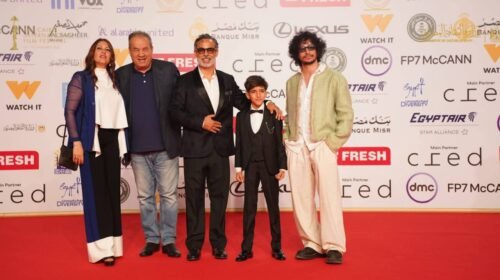
The southern Tunisian city of Gabès transformed into a vibrant crossroads for cineastes and art lovers Sunday night, as the 8th edition of the Gabès Cinéma Fen (GCFen) festival kicked off with a grand opening ceremony at the newly renovated Mohamed Bardi cultural complex in Bab Bhar.
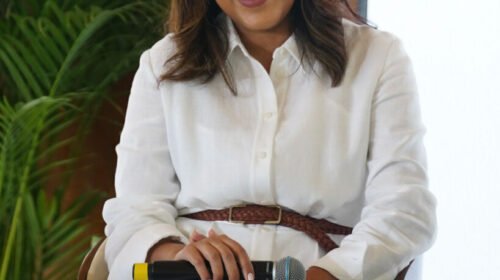
The evening’s star, distinguished actress and festival icon Hind Sabri, arrived in the company of fellow Tunisian screen icon Dhafer L’Abidine to a resounding reception. Sabri, a “daughter of the South,” has been the steadfast patron of this unique festival since its inception in 2019, sharing a deep, visceral bond with Gabès and its people. Since the very first edition, she has honored the festival with her commitment, contributing far more than just her renown.
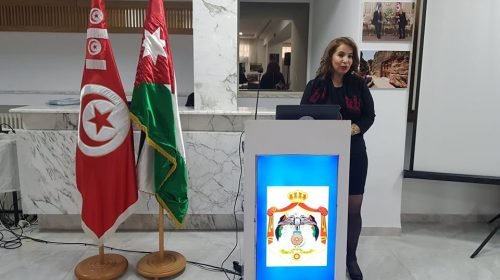
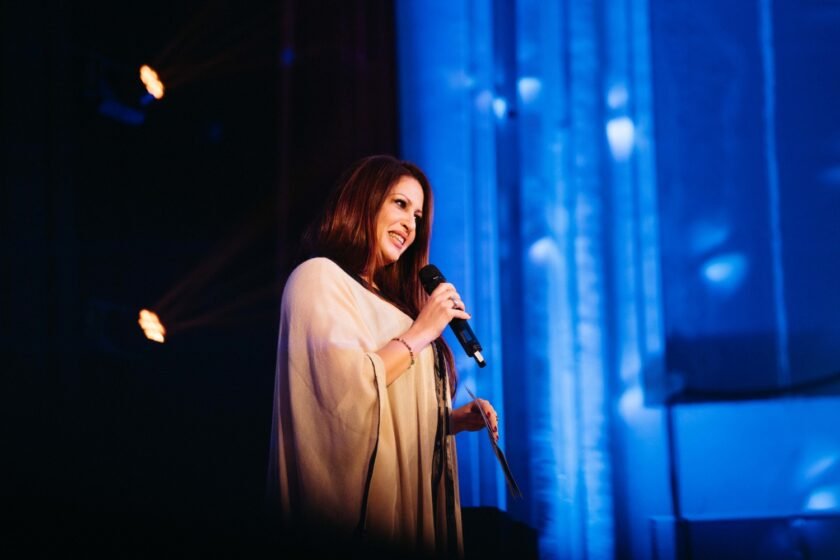
In an evening hosted by Amel Smaoui, the event gathered a constellation of industry luminaries, including producer Dorra Bouchoucha, theatrical power couple Jalila Baccar and Fadhel Jaibi, award-winning director Kaouther Ben Hania, and a host of acclaimed actors.
A Festival of Resistance and Restoration
Breaking with tradition, the 2026 opening did not feature a long-form film but instead a powerful cine-concert entitled “Palestine: A New Narration.” It was a world premiere presented by Lebanese composer and pianist Cynthia Zaven, who collaborated with sound designer Rana Eid. The immersive work, revisiting archival images from 1914 to 1918, set an immediate tone for a festival that proclaims cinema as a form of resilience and resistance.
“For an hour marked by deep tensions, we wanted to launch a sincere appeal for solidarity with oppressed peoples,” explained the festival’s newly appointed director, Afef Ben Mahmoud. This conviction is the soul of GCFen, a festival that is less an event and more a living manifesto for the moving image.
Under its new leader, Ben Mahmoud, the festival emphasizes a dialogue between its three main pillars: cinema, video art, and extended reality (XR). “It’s not just a film festival; it is a celebration of the image in all its forms,” Ben Mahmoud said. Indeed, its very name, “Fen,” is the Arabic word for art.
A key aspect of the festival is Sabri’s personal curation of the Classic Cinema section, where her rigorous passion for cinematic heritage shines through. This year, she unveiled two newly restored masterpieces: Ali Badrakhan’s Shafiqa and Metwally and La Noce by the Nouveau Théâtre collective, the latter being an Arab premiere of the film’s final restored version in a moving tribute to Fadhel Jaziri.
An Intimate and Worldly Panorama
The 2026 program is a dense and audacious curatorial project centered on memory, ecology, and experimentation. The main feature this year places Arab cinema at the forefront, with eight films competing, including weighty titles like Cherien Dabis’s All That’s Left of You and Hassan Hadi’s The President’s Cake.
The “Cinéma Monde” section offers a window to global cinema, and the expanded “Art Vidéo” program explores themes of humor as resilience and the complexity of urban life, breathing new life into spaces across the city in containers and various locales.
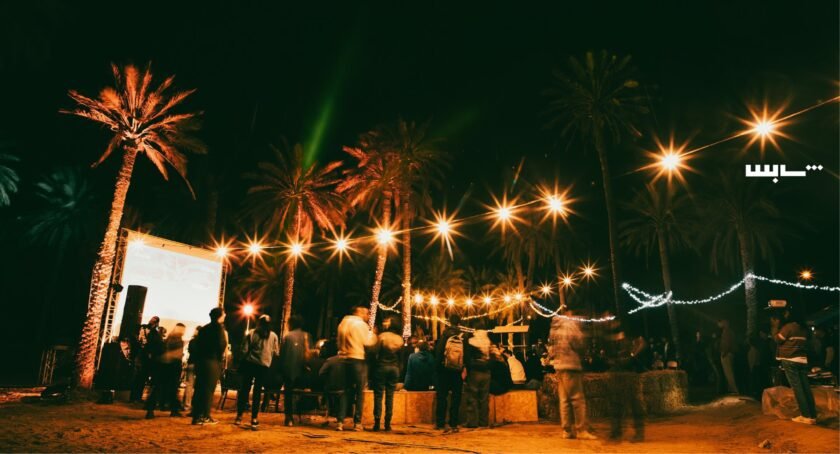
Beyond the big screen, the festival engages critically with its surroundings. The “Cine Terre” section, an open-air screening in a breathtaking oasis, is dedicated to environmental themes, directly confronting Gabès’s well-documented pollution issues and fostering crucial dialogue with the local community.
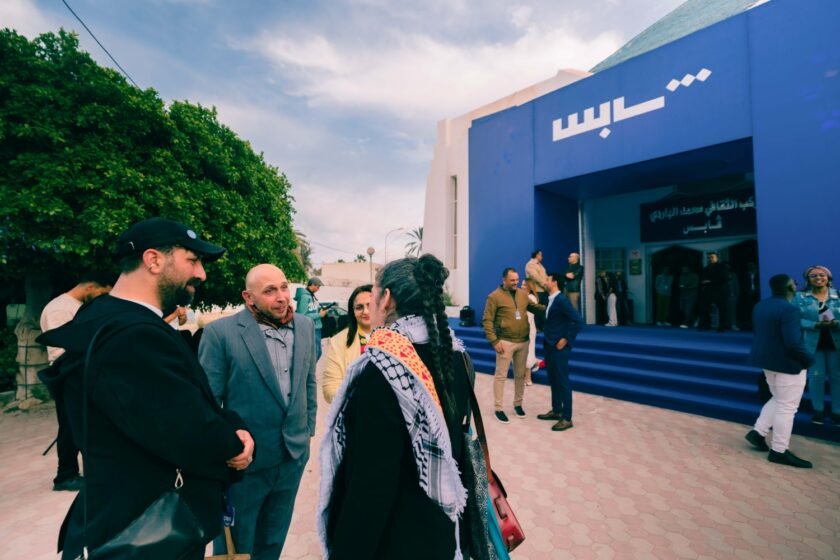
As the screenings begin and Sabri prepares to lead a panel on the archeology of costumes in Tunisian cinema, the message from this 8th edition is clear. In a world fragmented by conflict, Gabès Cinéma Fen stands not as a mere escape from reality, but as a vital arena in which to confront and reframe it—one image at a time.
TunisianMonitorNews (NejiMed)