
Nestled on the Mediterranean coast, where the Sahara meets the sea, Tunisia has long been a jewel of North African tourism. For decades, it attracted sun-seekers to its golden beaches, history buffs to the ruins of Carthage, and adventurers to the dunes of the desert. However, the past years have been a story of profound challenge and resilient recovery. Today, Tunisian tourism is not just bouncing back; it is actively reinventing itself, offering a more nuanced, authentic, and diverse experience to a new generation of travelers.
Emerging from a Perfect Storm
To understand the present, one must acknowledge the recent past. The sector faced a “perfect storm”: the lingering impacts of the 2015 terror attacks, political instability following the 2011 revolution and the 2021 political shift, and the global standstill of the COVID-19 pandemic. Visitor numbers, which once neared 7 million annually, plummeted.
Yet, 2022 and 2023 marked a decisive turning point. A concerted national effort, prioritizing security and stability, began to pay off. The government launched aggressive international marketing campaigns under the banner “Tunisia: Feel the Beauty,” targeting traditional European markets (France, Germany, the UK, Italy) and increasingly looking east to Poland, the Czech Republic, and the Gulf countries. The results are promising, with 2023 figures showing a strong recovery, reaching approximately 90% of pre-pandemic levels and injecting crucial revenue into the national economy.
The Evolving Landscape: Beyond Sun and Sand
While the classic all-inclusive beach resorts in Hammamet, Sousse, and Djerba remain popular and are seeing renewed investment, the real story is Tunisia’s strategic diversification.
- Cultural & Historical Immersion: Travelers are increasingly drawn to deep cultural experiences. The UNESCO sites of Carthage, the Medina of Tunis, the Amphitheatre of El Jem, and the ancient Berber village of Dougga are central draws. There’s a growing interest in Tunisia’s Jewish heritage on Djerba and its Andalusian legacy in Testour.
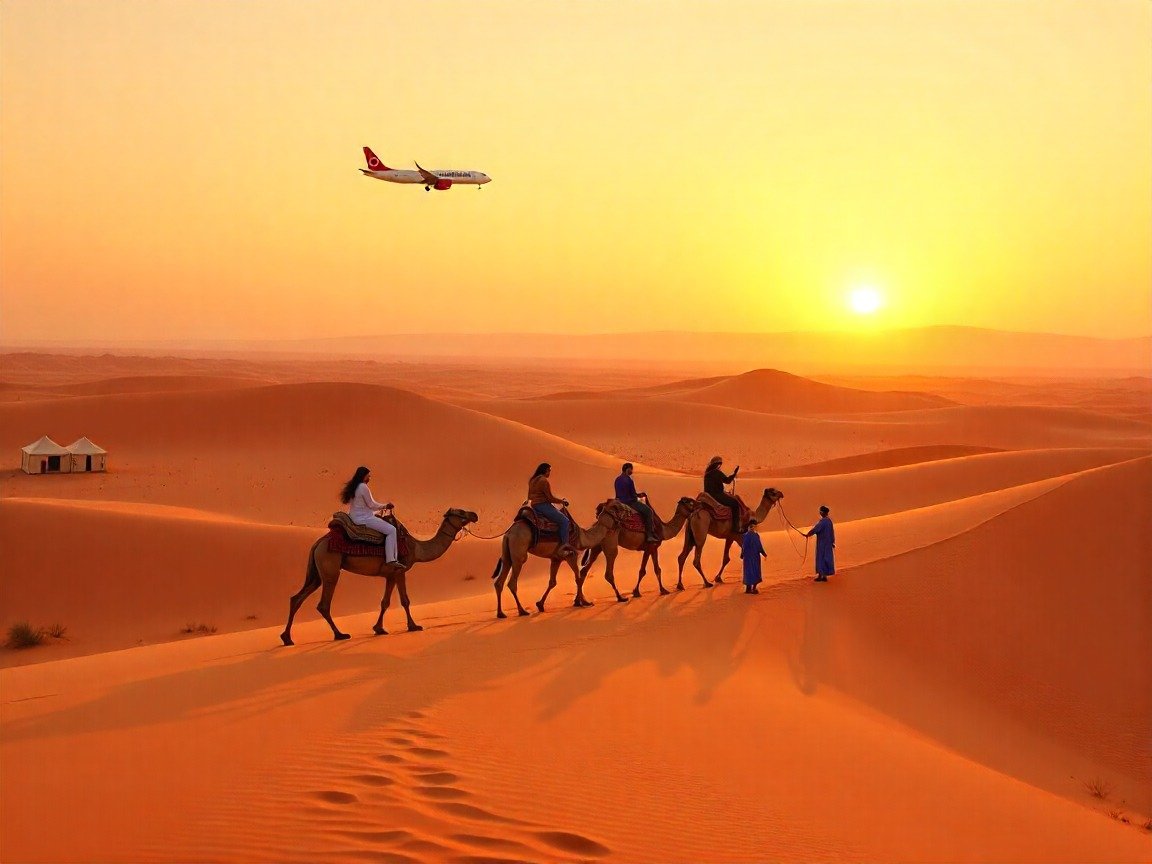
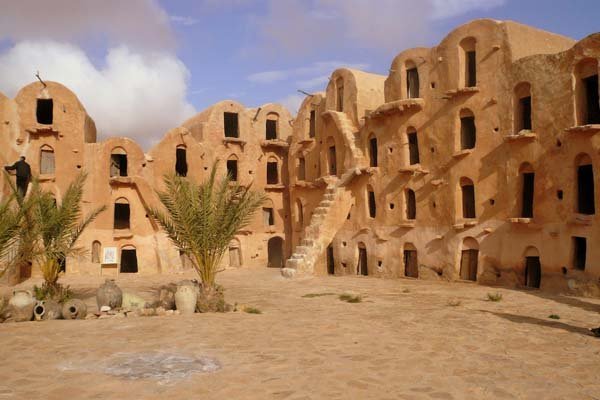
- Saharan Adventure: The south is booming. Towns like Tozeur and Douz serve as gateways to the Great Erg Oriental. Experiences here have evolved from simple jeep safaris to include luxury desert glamping, astronomy tours under pristine skies, and visits to remote ksour (fortified granaries) and cinematic locations from Star Wars.
- Eco-Tourism & Nature: The north’s green landscapes, from the cork oak forests of Ain Draham to the coastal cliffs of Tabarka, are attracting hikers and nature lovers. Birdwatching in the Ichkeul National Park and agritourism stays in the foothills of the Atlas Mountains are growing niche segments.
- Gastronomic Tourism: Tunisian cuisine, a rich blend of Mediterranean, Berber, and Ottoman influences, is taking center stage. Cooking classes, food tours in the medinas, and visits to olive oil mills are becoming staple activities for visitors eager to taste beyond the hotel buffet.
Current Realities for Travelers
Visiting Tunisia today presents a mix of opportunity and minor challenge. On the positive side:
- Value for Money: Tunisia remains an exceptionally good-value destination, with affordable accommodations, food, and services.
- Warm Hospitality: The renowned Tunisian welcome is as genuine as ever, with locals eager to share their culture.
- Improved Infrastructure: Major hotels have been refurbished, and road networks, especially in tourist zones, are well-maintained.
However, travelers should be mindful of:
- Economic Pressures: The country faces significant inflation and a shortage of some imported goods. This may affect prices and the availability of certain products, though basics for tourists are readily available.
- Seasonality: The summer (June-August) is peak season on the coast, while the desert is best visited in spring (March-May) or autumn (October-November). Some regional attractions may have limited services outside these times.
- Perception vs. Reality: While security is heavily prioritized in tourist areas, international travel advisories and past headlines can still create hesitancy. It is always advisable to check current government travel advice.
The Road Ahead
The future of Tunisian tourism hinges on sustainability, quality, and storytelling. The focus is shifting from volume to value—attracting visitors who stay longer, explore more, and engage deeply with the culture. Investments in digital promotion, upgrading boutique hotels (maisons d’hôtes), and training a new generation of multilingual guides are key priorities.
Tunisia is not merely seeking to reclaim its past tourism glory. It is striving to build a new, more resilient model—one that celebrates its incredible diversity, from Roman mosaics to sweeping deserts, from bustling medinas to tranquil vineyards. For the curious traveler, now is a compelling moment to witness this transformation: to explore a nation rich in history and natural beauty, one that is confidently rewriting its next chapter, warmly inviting the world to once again feel its unique and enduring beauty.
TunisianMonitorOnline (NejiMed)