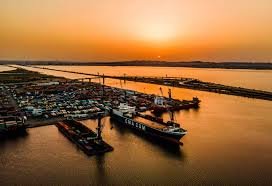
Tunisia is fast-tracking a sweeping modernization of its port infrastructure. This push, highlighted by the flagship deep-water port project in Enfidha, aims to tackle severe congestion and obsolescence at existing facilities that currently handle 98% of the nation’s foreign trade.
The effort addresses a pressing national challenge. Key commercial ports, including Radès, La Goulette, Sfax, and Bizerte, are hampered by aging infrastructure and chronic delays, undermining Tunisia’s international competitiveness. Radès alone manages 61% of container traffic but is increasingly losing business to Sfax and Sousse due to operational inefficiencies, making modernization essential for attracting foreign investment.
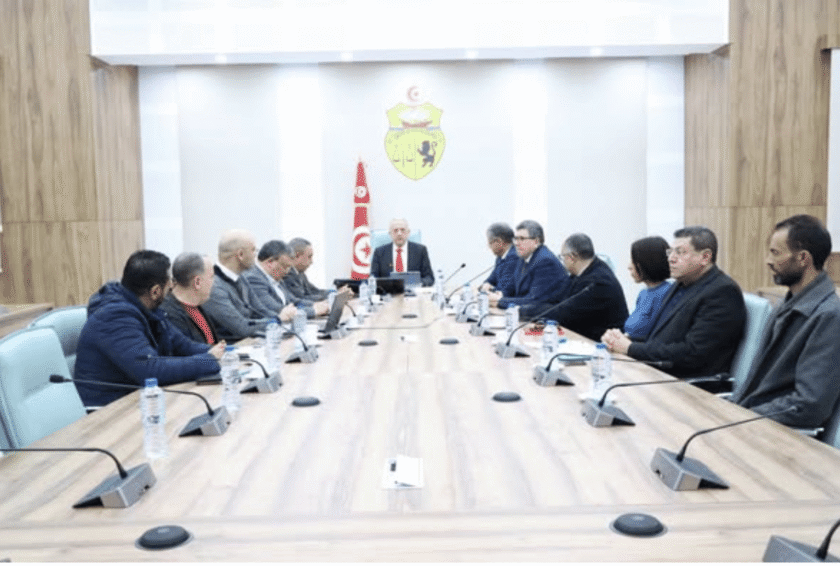
At the center of this transformation is the relaunched Enfidha deep-water port project, spearheaded by Minister of Transport Rachid Amri since March 2025. Designed with a draft of 20 meters to accommodate the world’s largest container vessels and supported by a vast 3,000-hectare logistics zone, Enfidha is positioned as a future gateway connecting Europe and Africa. The project is a key priority for streamlining national supply chains and relieving acute pressure on the port of Radès as it moves toward its launch phase.
The economic and strategic stakes are significant. Officials state the new infrastructure is designed to boost maritime trade, generate employment, and enhance national sovereignty, all while adhering to international safety standards. The vision incorporates public-private partnerships and advanced technologies, including artificial intelligence, to foster a sustainable blue economy.
However, this expansion presents substantial environmental challenges. The construction of deep-water ports and expansive logistics zones, like the one planned for Enfidha, risks disrupting marine ecosystems through dredging, potential water pollution, and industrial emissions. Concerns include coastal biodiversity loss, soil erosion, and broader environmental impacts, necessitating strict adherence to environmental safeguards.
Authorities emphasize that the integration of green technologies within these projects is crucial to balancing ambitious economic growth with the preservation of Tunisia’s Mediterranean natural resources.
TunisianMonitorOnline (NejiMed)