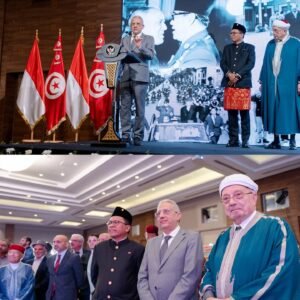
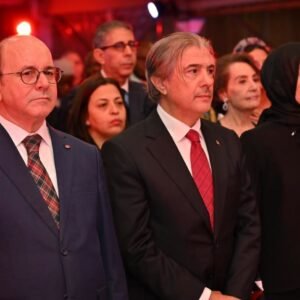
The visit of Tunisian Prime Minister Sarra Zaafrani Zenzri to Russia from October 27 to 29, 2026, marked an important milestone in Tunisia–Russia relations, coinciding with the 70th anniversary of diplomatic ties between the two countries. The visit also reflected Tunisia’s interest in strengthening international partnerships and exploring new opportunities for economic cooperation, trade, investment, and scientific exchange.
As part of Tunisia’s participation in the third Russia–Africa Summit in Moscow, the visit provided an opportunity to reaffirm the importance of dialogue and cooperation between Tunisia and Russia at a time of significant global economic and geopolitical change.
Seven Decades of Diplomatic Relations
Tunisia and Russia established diplomatic relations on July 11, 1956, shortly after Tunisia gained independence. Over the past seven decades, their relationship has developed through political dialogue, educational cooperation, cultural exchanges, and economic ties.
Education and scientific cooperation have been particularly important in connecting the two countries, with generations of Tunisian students benefiting from opportunities to study at Russian and former Soviet universities. These exchanges have contributed to the development of professional expertise and strengthened people-to-people relations.
Today, this historical foundation offers both countries an opportunity to renew their partnership and expand cooperation in sectors that respond to their respective economic and development priorities.
Economic Cooperation and Trade Opportunities
Russia represents a significant potential partner for Tunisia as the country seeks to diversify its export markets and strengthen its international economic relations.
Agricultural products, particularly Tunisian olive oil and dates, offer opportunities to expand Tunisia’s presence in the Russian market. Greater cooperation between businesses, improved trade facilitation, and stronger commercial partnerships could help increase bilateral trade and create new opportunities for Tunisian exporters.
Energy, agriculture, food security, technology, and industrial development are also promising areas for cooperation. Exchanges of expertise and technology could support Tunisia’s efforts to strengthen productive capacity, improve resource efficiency, and advance its economic development objectives.
Tourism, Education, and Cultural Exchange
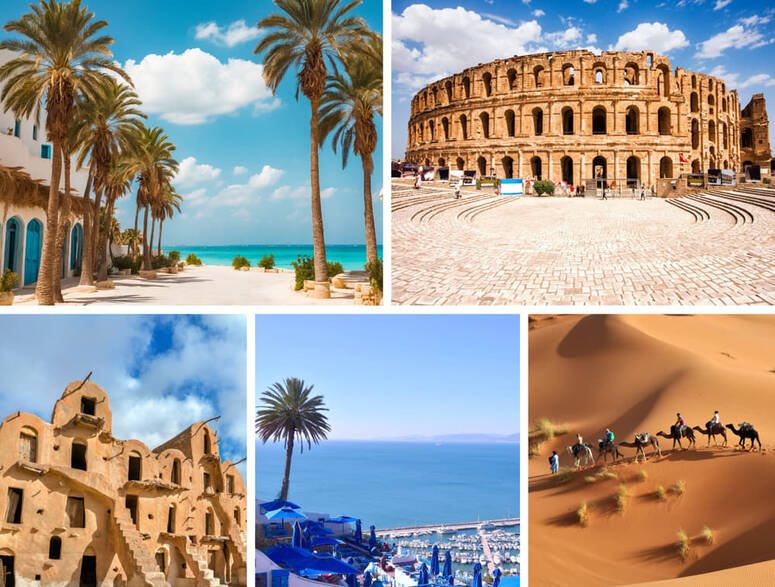
Tourism remains another important dimension of Tunisia–Russia relations. Tunisia’s Mediterranean coastline, archaeological heritage, cultural diversity, and tourism infrastructure make it an attractive destination for Russian visitors.
Strengthening tourism promotion, improving transport connections, and encouraging cooperation between tourism operators could help expand visitor flows and generate economic benefits for both countries.
Educational and cultural exchanges also provide a solid basis for closer relations. Expanded university partnerships, scientific research, professional training, and cultural initiatives could deepen mutual understanding and strengthen the long-standing links between the Tunisian and Russian peoples.
Tunisia and Russia–Africa Cooperation
Tunisia’s participation in the Russia–Africa Summit reflects its interest in engaging with international initiatives that offer opportunities for development and economic cooperation.
The summit provides a platform for dialogue on trade, investment, energy, agriculture, healthcare, education, and technological innovation. For Tunisia, participation offers an opportunity to explore partnerships that support national development priorities while strengthening its economic engagement with African and international partners.
Developing these opportunities will require practical follow-up, clear priorities, and effective cooperation between public institutions and the private sector.
Looking Ahead
The 70th anniversary of diplomatic relations provides an opportunity for Tunisia and Russia to build on their historical ties and develop a more diversified, forward-looking partnership.
For Tunisia, stronger relations with Russia can complement its existing international partnerships, expand export opportunities, and facilitate access to expertise and technology. For Russia, deeper engagement with Tunisia offers opportunities to strengthen economic and cultural relations with a country that occupies a strategic position in the Mediterranean and North Africa.
Ultimately, the success of this partnership will depend on translating political dialogue into tangible economic projects, sustainable investment, and mutually beneficial cooperation.
Seventy years after establishing diplomatic relations, Tunisia and Russia have an opportunity to transform their longstanding friendship into a renewed partnership focused on shared interests, economic opportunity, and a more prosperous future for both peoples.
TunisianMonitorNews (Douha Essaafi)