Tunisia is dramatically reshaping the global olive oil map, leveraging a record harvest and strategic state promotion to reclaim a position of dominance not seen since antiquity. As traditional European producers reel from catastrophic climate-driven shortfalls, the Tunisian nation is poised to become the world’s second-largest producer and exporter.
Financial institution Rabobank projects Tunisia’s olive oil output for the current season will reach 380,000 to 400,000 tons—a surge of over 35% from last year’s 280,000 tons. Some industry figures, like Najeh Saidi Hamed of the Tunisian Olive Producers Association, estimate the harvest could hit a historic 500,000 tons.
This bounty arrives amid a severe global supply crisis. According to U.S. Department of Agriculture estimates, worldwide production of approximately 2.7 million tons is being overwhelmed by consumption exceeding 3 million tons, creating a deficit of roughly 10%. Consecutive droughts have devastated the heartlands of Europe: Greece’s 2024 production plummeted by 49%, while Italy’s output fell 39% last year.
Tunisia’s expected yield of at least 380,000 tons would single-handedly cover the combined shortfalls of its Mediterranean neighbors. This catapults the country past both Italy and Greece, positioning it firmly behind only Spain in global rankings.
From Farmland to Strategic Asset
The transformation is no accident. Olive oil, accounting for over 40% of Tunisia’s agricultural export value, has been elevated from a commodity to a national strategic priority. While European groves battled drought and disease, Tunisia aggressively expanded plantings of its hardy, drought-resistant native varieties, “Chétoui” and “Chemlali.”
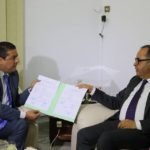
The government has now launched a full-scale “olive oil diplomacy,” framing the sector as a cornerstone of economic sovereignty. In December, Foreign Minister Mohamed Ali Nafti proclaimed “Tunisia Olive Oil Diplomacy Day,” integrating the product into a broader strategy to boost tourism, logistics, and international cooperation.
“Our 100 million olive trees and 2 million hectares of groves are not just farmland,” Nafti stated, invoking the nation’s ancient agricultural heritage. “Olives symbolize Tunisia’s sovereignty and economic self-reliance.”
He pointed to “Sharaf Zaytouna,” a revered olive tree believed to be over 2,500 years old, as a living testament: “Tunisia is the true legitimate heir in Mediterranean agriculture.”
As climate volatility continues to disrupt traditional supply chains, Tunisia’s calculated fusion of agricultural resilience and economic statecraft is securing its status as an indispensable force in the global pantry.
TunisianMonitorOnline (NejiMed)