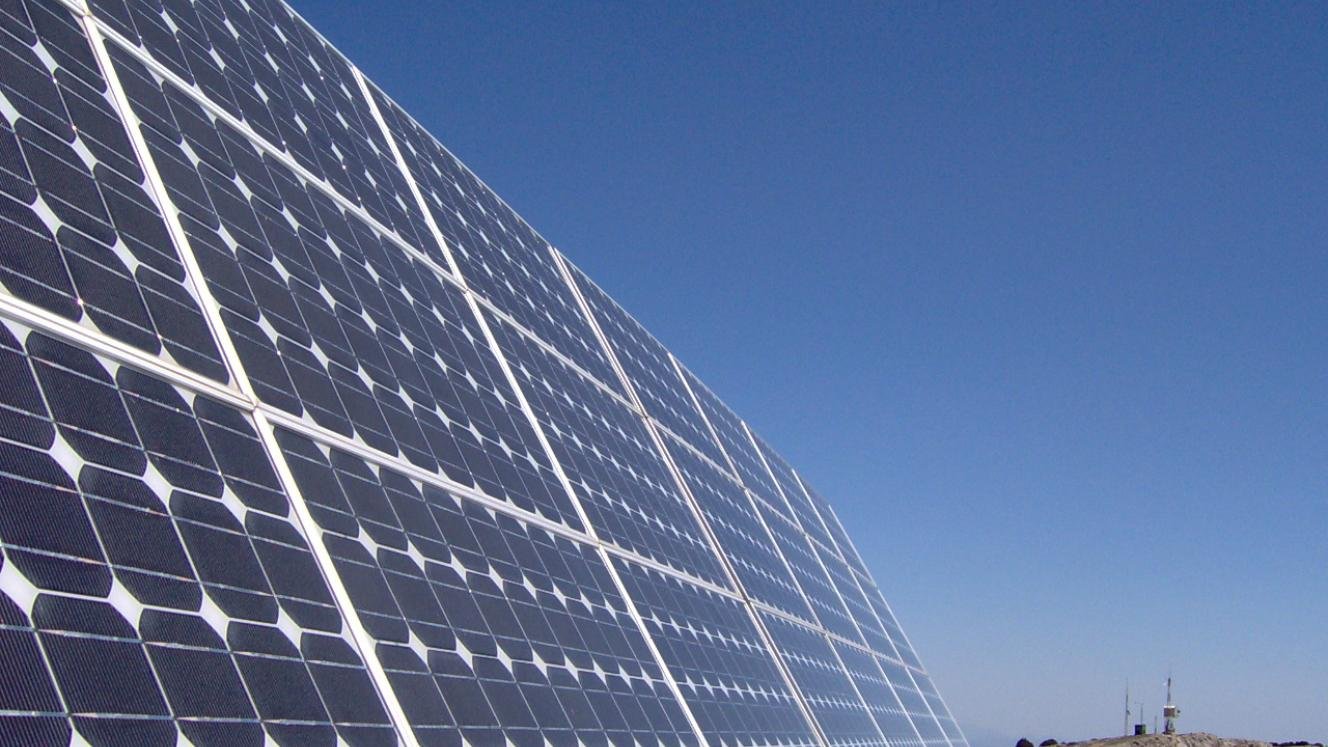
After years of stalled ambitions, Tunisia’s large-scale solar energy sector is shifting into high gear, with multiple photovoltaic (PV) megaprojects now reporting significant construction progress, according to the Ministry of Industry, Mines, and Energy.
The development, structured under concession (over 10 MW) and authorization (under 10 MW) frameworks, marks a tangible turnaround for the country’s renewable energy ambitions.
Major Concession Projects Gain Ground
The cornerstone first concession tender for 500 MW, split across five regions, is now nearing completion in several areas. The most advanced is the 100 MW Kairouan plant, 95% complete after securing financing in 2023, with operations slated to begin by late 2025. In Sidi Bouzid and Tozeur, two 50 MW plants are approximately 80% built following late-2024 financing. A project in Gafsa, with an agreement signed in May 2024, is targeting a post-2026 launch.
A second, larger 800 MW concession round for privately proposed sites is also advancing. Three 100 MW plants have already been awarded to international developers: Qair International (El Ksar, Gafsa), Scatec (Mezzouna, Sidi Bouzid), and Voltalia (Menzel Habib, Gabès). Bids for a subsequent round are under evaluation.
In a separate major tender, Qair International SAS has been awarded the first of two 300 MW plants—a 198 MW facility at El Khobna in Sidi Bouzid.
Private Sector and Smaller-Scale Expansion
Alongside public tenders, new market entrants are emerging. The Anglo-Tunisian group SoleCrypt has announced plans for a 60 MW plant in Tozeur, with a long-term vision to connect to the strategic Medusa submarine cable, potentially boosting energy interconnections with Europe and Africa.
The smaller-scale authorization regime is equally active. The ministry has issued 54 preliminary agreements totaling 261 MW, with fifteen projects already online. A flurry of 186 new agreements awarded between October 2024 and June 2025 will add a further 288 MW of predominantly 1-2 MW installations.
This is complemented by a boom in self-generation. The Ministry estimates nearly 400 MW of low-voltage PV capacity has been installed by businesses and households, with 70 MW currently operational.
Established Assets and Regional Trade Impact
This new wave of construction adds to existing utility-scale assets. State utility STEG operates two fully operational 10 MW plants in Tozeur, with the second reaching full capacity in June 2022.
The construction acceleration is reflected in regional trade data. According to energy think tank Ember, Tunisia imported 655 MW of Chinese PV modules between July 2024 and June 2025, ranking it as Africa’s sixth-largest solar panel importer during that period—though still behind regional neighbors Morocco, Egypt, and Algeria, which each imported over 850 MW.
The collective progress signals a decisive, multi-pronged push to translate Tunisia’s solar potential into concrete generating capacity, positioning the country to make a significant leap in its energy transition.
TunisianMonitorOnline (NejiMed)