The Lebanese diva captivated thousands with an emotional two-hour performance that bridged generations and borders
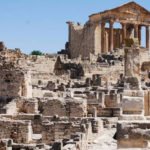
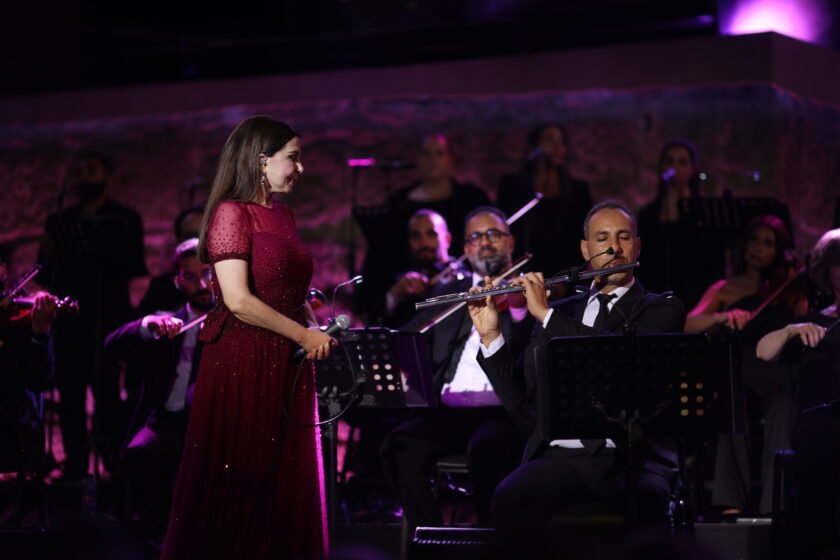
The ancient Roman amphitheater of Carthage pulsed with an energy not felt in nearly a decade as Lebanese singing sensation Majida El Roumi took the stage for the grand finale of the 60th International Festival of Carthage on August 19.
After an eight-year hiatus from the prestigious venue and 46 years since her debut performance at the same historic site, the iconic artist delivered a sold-out concert that transcended mere entertainment to become a cultural milestone.
The evening, attended by Tunisian Minister of Cultural Affairs Amina Srarfi, featured the vocal powerhouse accompanied by approximately 30 musicians and backing vocalists—including several Tunisian artists—under the masterful direction of conductor Marco Abu Naoum.
A Legacy Etched in Melody
Throughout her remarkable five-decade career, El Roumi has built a repertoire anchored in themes of love, hope, and resilience. Her distinctive ability to popularize classical Arabic poetry has made the works of literary giants like Nizar Kabbani and Mahmoud Darwish accessible to audiences across generations, social strata, and educational backgrounds.
Her vocal prowess, characterized by both commanding power and melodic nuance, combined with an innate grace and magnetic stage presence, has cemented her status as one of the Arab world’s most beloved performers.
A Setlist Spanning Generations
The concert opened with an instrumental introduction before El Roumi emerged to thunderous applause, launching into “Mili ye helwe mili,” an upbeat 2018 track inspired by Lebanese folk traditions.
Following a deeply emotional address expressing her joy at reuniting with Tunisian audiences, she delivered romantic ballads “Aam yesâalouni” and “Khedhni habibi” from her 1977 album “Wadâa.” The performance continued with beloved Lebanese dialect favorites including “Ismaâ albi” and “Matrahak bi albi.”
Classical Arabic masterpieces formed the concert’s backbone, with audience favorites like “Aynaka layali sayfia,” “La tassâal,” and “Ouhibouka jiddan” drawing enthusiastic participation from the crowd.
Demonstrating her continued artistic evolution, El Roumi introduced two new compositions, “Bala wala ay kalam” and “Oul ye habibi oul,” while also paying homage to Egyptian legend Abdelhalim Hafedh with a stunning interpretation of “Touba.”
A Tribute to Tunisia and Resilience
In a deeply moving segment, El Roumi honored the resilient Lebanese people, who face adversity with unwavering vitality. She then delivered one of the evening’s most poignant moments with “Aslema ye tounes,” performed while proudly draping herself in the Tunisian flag—a gesture she first made during her 2018 Carthage appearance.
The artist’s homage to Tunisian musical heritage included a carefully curated medley of classics: Hedi Jouini’s “Lamouni,” Oulaya’s “Yami laaouina,” and Saliha’s “Khali badalni” and “Ah ye khlila,” all performed while wearing the traditional Tunisian chechia cap, earning a prolonged standing ovation.
A Farewell to Remember
The concert concluded with “Kalimat,” one of her signature pieces, leaving the audience immersed in a bittersweet atmosphere of tenderness and nostalgia.
The evening proved more than a mere concert—it was a testament to music’s power to transcend time and borders. As the final notes faded over the ancient Carthage amphitheater, one thing became clear: Majida El Roumi’s artistry remains as timeless as the historical venue that hosted her magnificent return.
TunisianMonitorNews