The 26th Arab Radio and Television Festival entered its third day on Wednesday, with just one day remaining before its conclusion, following four days of artistic, professional and technological activities that brought together Arab and international media institutions, broadcasters, producers, artists and industry experts in Tunisia.
Organized by the Arab States Broadcasting Union (ASBU), the festival has brought together discussions on the future of Arab media, showcases of new technologies and opportunities for professional cooperation, alongside a diverse program celebrating achievements in radio, television and digital media.
Opening in Carthage
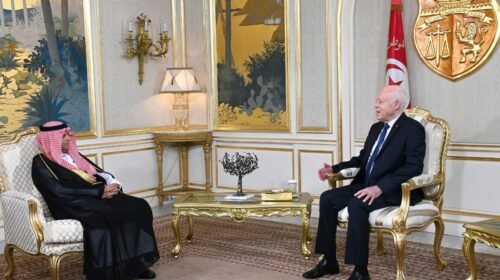
The festival opened on Monday, September 21, at the historic Carthage Amphitheatre, in the presence of senior officials and prominent Arab media, diplomatic and cultural figures, including ASBU President Mohammed bin Fahd Al-Harthi and Director-General Abdulrahim Suleiman.
The opening ceremony featured tributes to a number of prominent Arab artists and media personalities in recognition of their careers and contributions to the region’s cultural and media landscape.
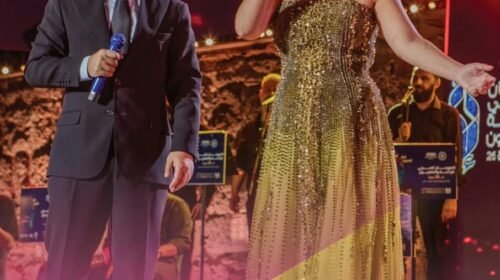
The evening also featured musical performances by Syrian singer Nassif Zeytoun and Iraqi singer Rahma Riad, adding a strong artistic dimension to the opening of the festival at one of Tunisia’s most iconic cultural landmarks.
A Market Bringing Together Media and Technology
The festival’s professional activities then moved to Yasmine Hammamet, where the Program Production Market and the ASBU Technology and Equipment Exhibition were opened.
The market brought together broadcasters, production companies and media professionals, providing a platform for exchanging programs, exploring co-production opportunities and establishing new professional partnerships.
At the same time, the technology exhibition showcased the latest equipment and solutions for broadcasting, production and media communication, highlighting the growing role of technology in shaping the future of the audiovisual industry.
The current edition also featured around 320 entries in the radio, television and digital media competitions, reflecting the diversity of Arab and international media production.
From Podcasts to Tourism Media
Professional discussions formed an important part of the festival’s program, focusing on some of the most significant changes transforming the media industry.
One of the sessions examined “Podcasting: Content Trends and the Power of Influence,” exploring the rapid growth of podcasts and their ability to reach new audiences and create alternative forms of media consumption.
Another session, “The Audience and Content Creation: From Reception to Partnership,” addressed the changing relationship between audiences and media organizations in the age of digital platforms and social media.
The program also included a discussion on “Tourism Media: From Reporting the Event to Creating the Destination,” focusing on the expanding role of media in shaping tourism images and promoting destinations.
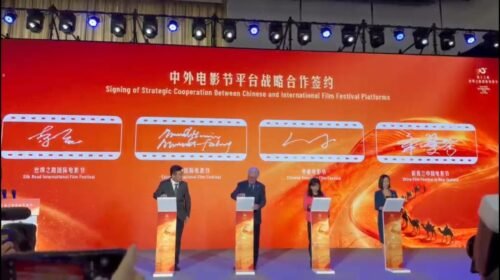
The festival also featured professional discussions on audiovisual cooperation between China and the Arab countries, adding an international dimension to its program and creating opportunities to explore new forms of cooperation in content production.
Arabsat Marks 50 Years of Arab Space Communications
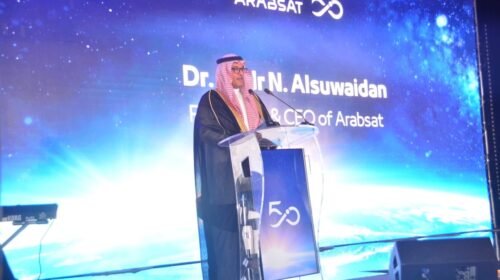
One of the major highlights of the festival was the celebration by the Arab Satellite Communications Organization (Arabsat) of its 50th anniversary.
The ceremony, held in Hammamet alongside the festival’s activities, marked five decades of Arabsat’s work in satellite communications and broadcasting and highlighted the organization’s contribution to the development of the Arab media and communications ecosystem.
The event also witnessed the launch of the “Arabsat 50” satellite, marking the organization’s golden jubilee and highlighting the technological transformation that has reshaped satellite broadcasting and communications over the past five decades.
Arabsat’s participation added an important technological dimension to the festival, linking the development of media content with the satellite and communications infrastructure that enables its production, distribution and delivery to audiences.
One Day to Go
With the festival now in its third day, only one day remains before the 26th edition officially concludes in Tunis.
The closing ceremony is scheduled to take place on Thursday at the City of Culture in Tunis, where the winners of the radio, television and digital media competitions are expected to be announced.
The ceremony will also feature the premiere of “Safar Ilayka Wa Ghanni” (Travel to You and Sing) by Tunisian composer Karim Thlibi.
From the historic stage of Carthage, where the festival opened, to the professional market and technology exhibition in Hammamet, the discussions on the future of media and the celebration of Arabsat’s golden jubilee, the 26th edition has brought together art, media and technology in a platform reflecting the rapid transformation of the Arab audiovisual industry.
TunisianMonitorNews ( Douha Essaafi)