Tunisia is betting on a new, sustainable tourism model with the launch of the “Trans-Tunisia Trekking Trail” app, a digital platform designed to connect travelers with the country’s authentic landscapes and communities, away from the beaten path.
This innovative initiative is at the heart of a strategic shift for the Tunisian tourism sector. Developed as part of the “Promotion of Sustainable Tourism” project by the Tunisian Ministry of Tourism with support from Leaders International and the EU-funded Tounes Wijhetouna program, the app maps a network of hiking trails from north to south.
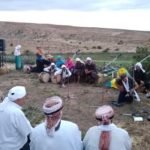
The platform, based on “The Road of Trails,” invites users to explore diverse landscapes—from the mountains of Zaghouan to rural villages and protected oases. It goes beyond simple navigation, offering nearly 100 curated experiences, including tastings of local products, artisan workshops, and stays in family-run accommodations. The goal is to create a virtuous cycle that strengthens the rural economy and redistributes tourism benefits to less-visited areas.
A Strategy Aligned with Recovery and New Trends
This move towards “slow” and mindful tourism comes as the sector shows strong signs of recovery. Official data from the Ministry of Tourism reveals a 9.8% increase in visitors for the first half of 2025, with revenues climbing to nearly €1.2 billion. The government’s goal of welcoming 11 million tourists by year’s end appears within reach.
The focus on unique experiences is further highlighted by upcoming events like the Hot Air Balloon and Paragliding Festival in Djerba this October. This event, expected to draw thousands, symbolizes the new direction intertwining culture, adventure, and tourism innovation.
By digitizing its hiking routes and promoting eco-friendly practices, the “Trans-Tunisia Trekking Trail” app aims not just to attract tourists, but to redefine Tunisia’s identity. It positions the country as a destination to be explored slowly, where every trail tells a story and every encounter fosters a deeper connection between visitors, local heritage, and sustainable development.
TunisianMonitorOnline (NejiMed)