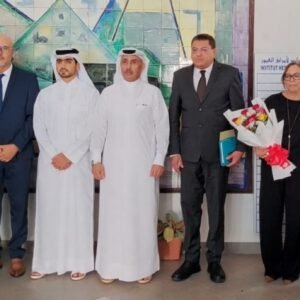
In a bid to strengthen cultural and academic ties, the Yunus Emre Institute in Tunis recently hosted a specialized lecture that cast a spotlight on the enduring Ottoman architectural legacy within Tunisia’s urban landscape.
The event, titled “Ottoman Architectural Monuments in Tunisia,” featured an in-depth presentation by the renowned Professor Dr. Kadir Bektaş. The lecture offered attendees a detailed journey through Tunisia’s rich architectural history, examining structures from mosques and mausoleums to public fountains and military fortifications, framing them as lasting testaments to the deep historical connection between Tunisia and Turkey.
Dr. Bektaş provided an academic analysis of these historic monuments, tracing their influence on the development of Tunisia’s cities over several centuries. He emphasized their role not merely as buildings, but as a profound cultural bridge linking Eastern and Western traditions, whose historical value and symbolism continue to shape the nation’s identity.
This event is part of a sustained, broader initiative by the Yunus Emre Institute in Tunis designed to promote Turkish culture and foster ongoing dialogue between the two nations. By shedding light on shared historical heritage, the institute aims to build mutual understanding and strengthen contemporary cultural exchange.
The Yunus Emre Institute, established in 2007, is a key Turkish cultural organization with a global network of centers in over 60 countries. Its mission focuses on promoting the Turkish language and culture while building enduring bridges of dialogue and cooperation worldwide.
TunisianMonitorOnline (Douha Essafi)