Australian mining firm PhosCo has unveiled plans to raise A$5 million ($3.5 million) to fast-track development at its Gasaat phosphate project in Tunisia, tapping into Tunisia’s urgent push to resurrect its flagging fertilizer industry.
The capital injection, to be raised via a share placement with select investors, is expected to close on Feb. 25. Following the transaction, the company said it will hold approximately A$7.3 million in cash, funds that will be channeled into ongoing exploration, technical studies, and development work at the site.
The move positions PhosCo at the heart of Tunisia’s broader strategy to breathe new life into a sector that has seen production collapse over the last decade. Once the world’s fifth-largest phosphate producer, with 8 million tonnes mined in 2010, output plummeted to just 3.6 million tonnes by 2023, according to U.S. Geological Survey data. State-owned Compagnie des Phosphates de Gafsa has blamed the steep decline on persistent social and political unrest in mining regions following the 2011 revolution.
In response, Tunisian authorities unveiled a five-year plan in 2025 targeting a dramatic rebound to 14 million tonnes annually by 2030, backed by upgrades to production, processing, and transport infrastructure.
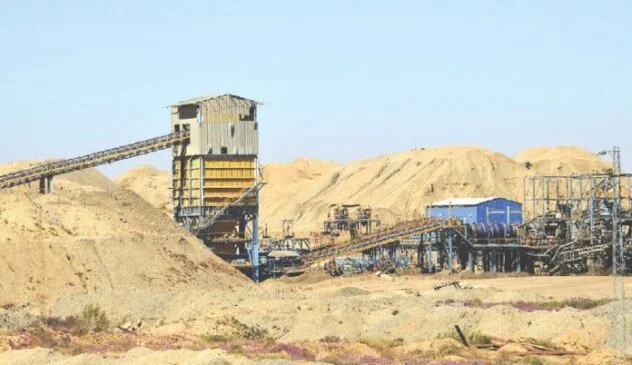
PhosCo’s Gasaat project could play a key role in reaching that goal. A preliminary economic assessment released in 2022 envisioned a mine with a 46-year lifespan producing 1.5 million tonnes per year, requiring a total capital outlay of $169.5 million. The company now plans to release updated project metrics and a fresh mineral resource estimate—steps designed to clear the path for a bankable feasibility study.
“We have achieved exceptional and consistent drilling results, which set the stage for an imminent resource update,” said a Chief Executive. “These funds will allow PhosCo to move smoothly from the updated scoping study to the bankable feasibility study.”
Gasaat is not the only project aiming to feed into Tunisia’s phosphate ambitions. Nearby developments such as Oum Lakhcheb, estimated to produce 2.4 million tonnes per year, have also been touted in recent years. Yet with social tensions historically simmering in mining areas, analysts caution that the success of the national plan will depend not only on financial and technical progress but also on the government’s ability to maintain stability.
Global demand trends offer a tailwind. The International Fertilizer Association projects rising fertilizer consumption through 2029, underpinning long-term appetite for phosphate—a critical raw material for agricultural production.
TunisianMonitorOnline (NejiMed)