As 2026 approaches, Tunisia finds itself at a pivotal juncture. Emerging from a period of global economic headwinds and domestic challenges, the nation is scripting a narrative of cautious yet discernible recovery. This year is not merely about statistical rebounds; it is defined by a strategic reorientation of key sectors that promise to weave a stronger, more inclusive economic and social fabric.
The most visible success story is, undoubtedly, tourism. Surpassing the symbolic threshold of 11 million visitors and seeing revenues climb to nearly 7.9 billion dinars, the sector has definitively moved beyond recovery into growth. Yet, the true victory lies beneath the numbers. Authorities are wisely leveraging this momentum to diversify offerings and extend the season, moving beyond a reliance on traditional sun-and-sand packages. This shift aims to create year-round employment, empower local artisans, and promote cultural heritage—turning tourism into a more sustainable engine for regional development and foreign currency.
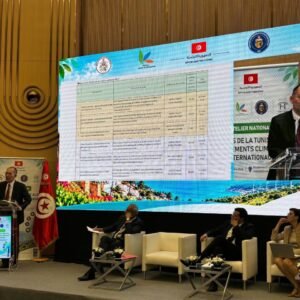
Parallel to this, a quiet revolution is powering up. Tunisia’s renewable energy sector is accelerating from blueprint to reality. With ambitious projects in solar and wind energy, the nation is harnessing its most abundant natural resources: sun and wind. This strategic pivot addresses critical energy security and import bill concerns while positioning Tunisia as a potential green energy hub for the Mediterranean. The social dividend is clear: new technical job opportunities and a commitment to a cleaner environment for future generations.
Furthermore, the knowledge economy is gaining critical mass. The tech startup ecosystem, particularly around fields like fintech, agritech, and SaaS, is attracting increasing interest. This sector leverages Tunisia’s greatest asset—its educated youth—offering a pathway to stem the brain drain and create high-value employment. When coupled with reforms to improve the business climate, this digital shift can catalyze innovation across traditional industries.
On the social front, growth is increasingly measured beyond GDP. Targeted investments in vocational training are seeking to bridge the skills gap, aligning the workforce with the needs of a modernizing economy. Efforts to enhance social protection networks and improve access to quality healthcare and education remain fundamental to ensuring that economic growth translates into tangible improvements in living standards for all Tunisians, reducing regional and social inequalities.
Of course, the path is not without obstacles. Persistent inflation, bureaucratic inertia, and the need for deeper structural reforms pose significant challenges. The sustainability of growth hinges on continued good governance, transparent investment, and fostering genuine public-private partnerships.
In conclusion, Tunisia in 2025 is demonstrating that its resilience is maturing into a more structured revival. By strategically betting on tourism diversification, renewable energy, and the digital economy, while anchoring progress in social development, the country is laying foundations for a more resilient and self-sufficient future. The task ahead is to consolidate these green shoots of growth into a durable and inclusive prosperity. For Tunisia, this year is less about a dramatic turnaround and more about proving that a steady, strategic course can indeed restore hope and unlock potential. The world is watching, not just as tourists, but as potential partners in Tunisia’s next chapter.
TunisianMonitorOnline (NejiMed)